
A compiled documentary edition held by Wikisource
The Collected Works of Mao Zedong
1928—1976 · Twenty-five collected pieces, with two appended documents

Two source folders merged; one page per work, arranged chronologically
This is a reading edition of historical documents: twenty-five pieces in all. The twenty-three in the main body are works by Mao Zedong himself; the two appendices are not his. The 'Ten-Thousand-Word Letter' is a letter Peng Dehuai wrote to Mao in July 1959, and the September 1976 joint communique was a funeral announcement issued by four institutions after his death. Both appendix authors are named on their own pages — do not read the appendices as his writings.
The book joins two adjacent folders: 'Mao Zedong's Works' (21 pieces) and 'Mao Zedong's Works — Five Pieces' (5 pieces), twenty-six entries in total. One is a duplicate — two upstream files of the April 1959 presidential decree are identical, so this edition keeps one — giving a settled count of twenty-five. The original folders and source filenames are recorded per page under 'About this work', so the merge loses none of the provenance.
The span runs from December 1928 to September 1976, through the base-area period, the War of Resistance, the Civil War, and the construction period after 1949. The twenty-five pieces are ordered chronologically, so the whole may also be read as a year-by-year reader, taken one piece at a time.
This edition is built for readers who want the original text directly — researchers, teachers and students, and anyone who simply wants to know which piece a certain phrase comes from. Every piece carries the complete original, unabridged, and asks no preface first. The shortest is a single line; the longest is over fifty thousand characters; both receive the same treatment.
The layout is one piece per page. Above the text sits an introduction; within the text sit background notes; at the end sit the related themes. On the left is the table of all twenty-five pieces. Five other entries — Contents, Themes, People, Timeline, Guide — let you read across as needed.
The base text was downloaded piece by piece from Wikisource's 'Category: Mao Zedong' as plain text, then normalised in script form; see the 'Editions and Language' section of the Guide. All editorial prose written by this edition does only description, quotation and dating — no praise, no condemnation, and no extension of the documents' claims to today's issues.
The following lines all appear in the original source text
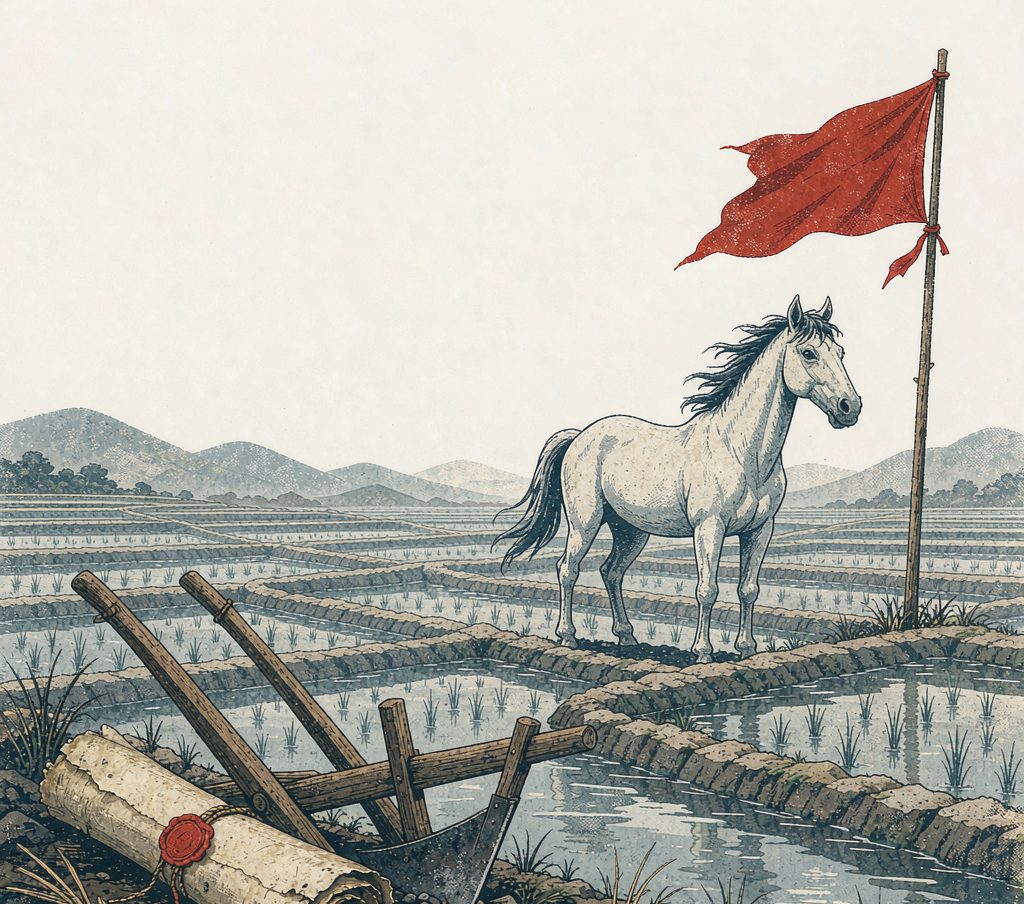
Three formulations of the land question, from confiscation to rent reduction.
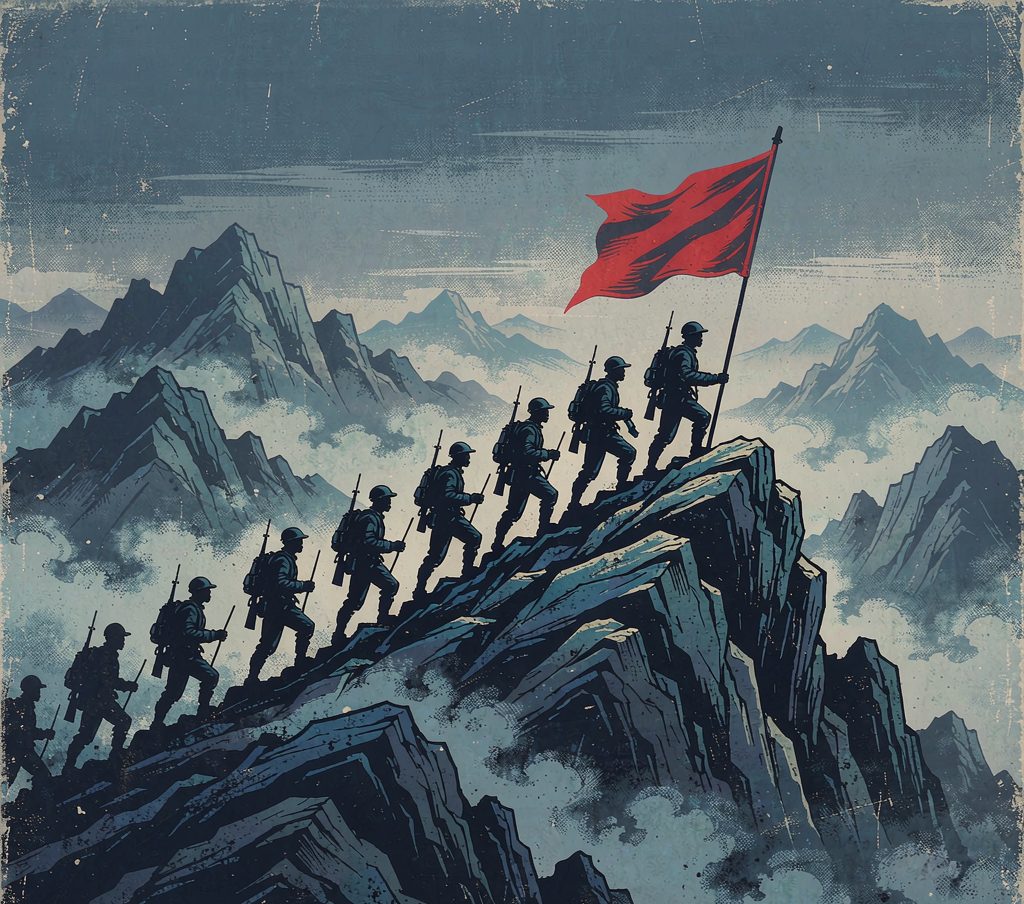
From stopping the civil war to the coalition government, 1935—1945.

From correcting mistaken ideas in the Party to the Seventh Congress's unity policy.
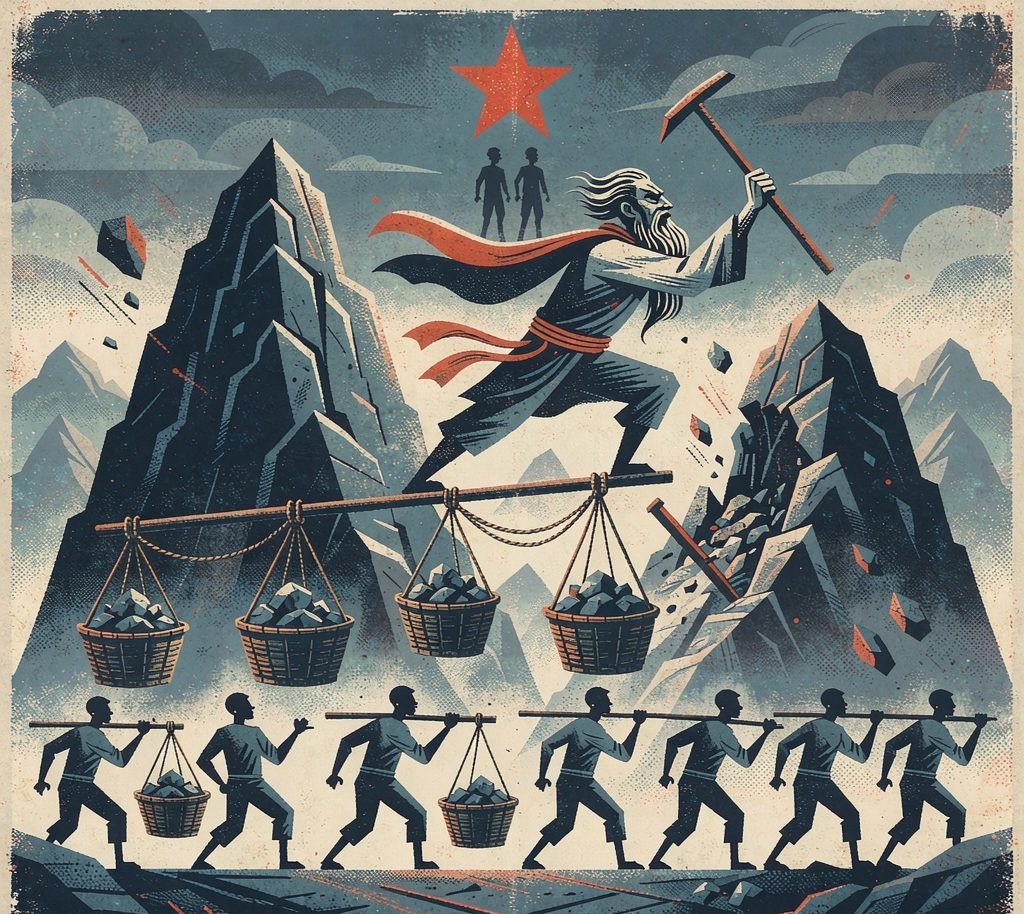
Serve the People, In Memory of Norman Bethune, The Foolish Old Man — three exhortations.
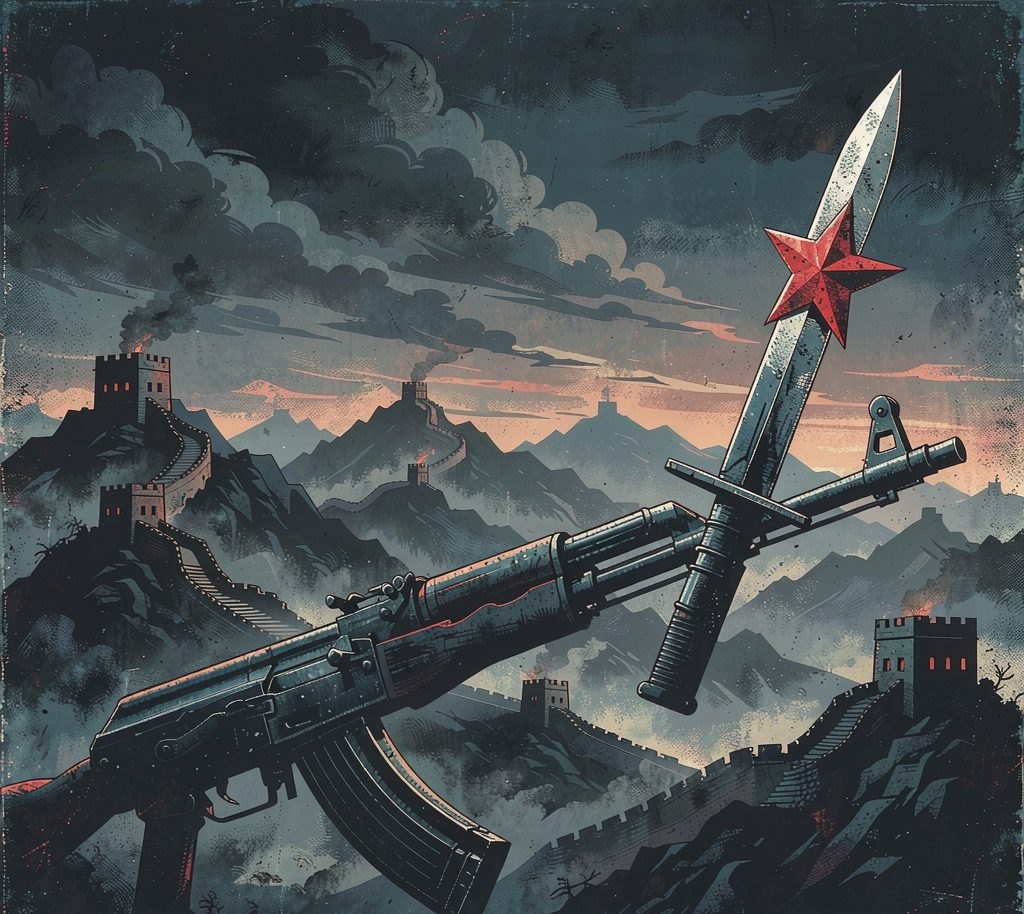
The summing-up of protracted war, and the 1948 and 1958 military messages.
From the idea of a coalition government to post-founding proclamations and diplomatic papers.